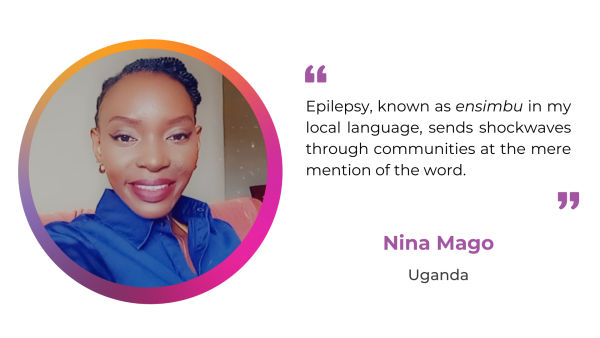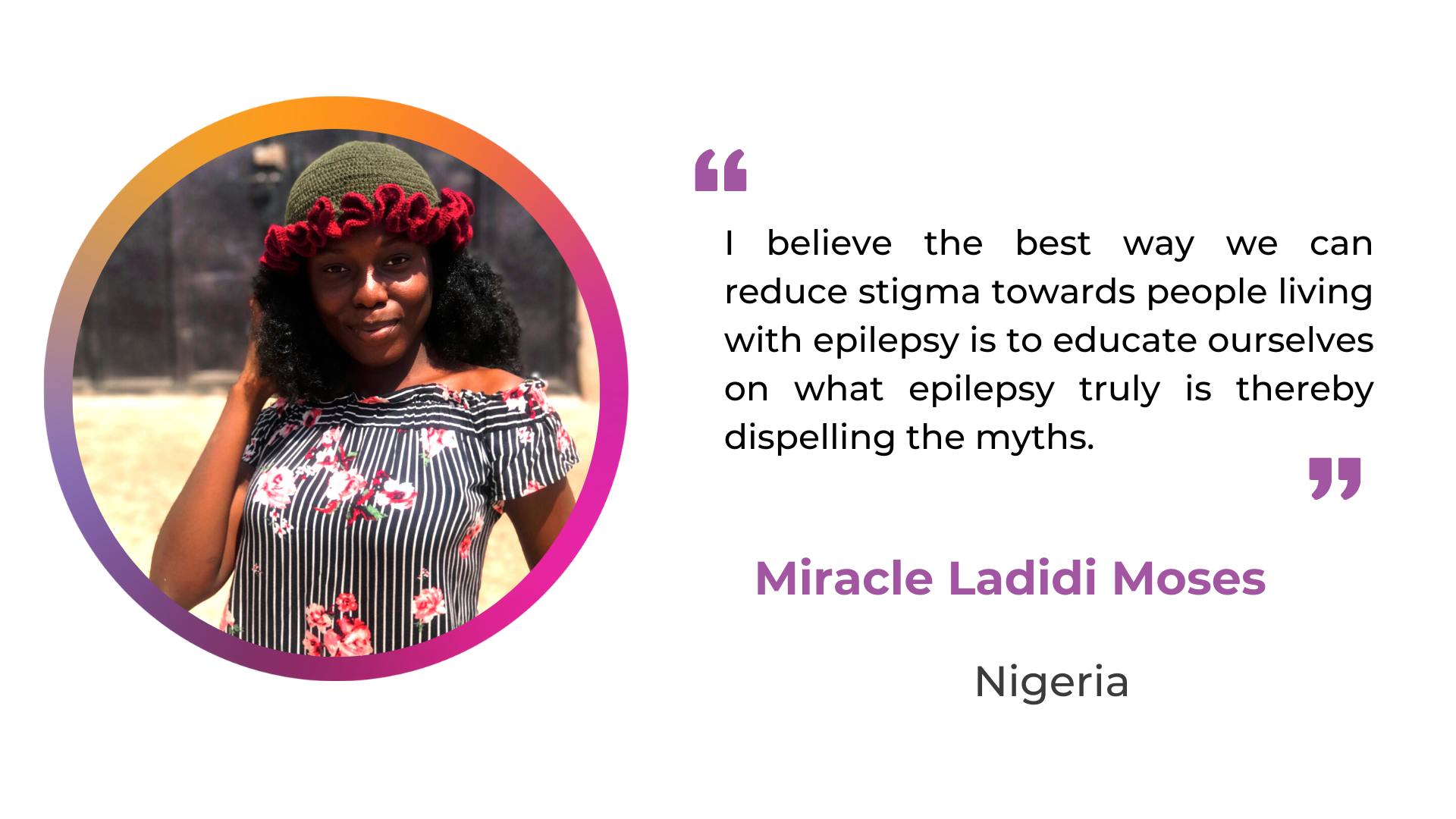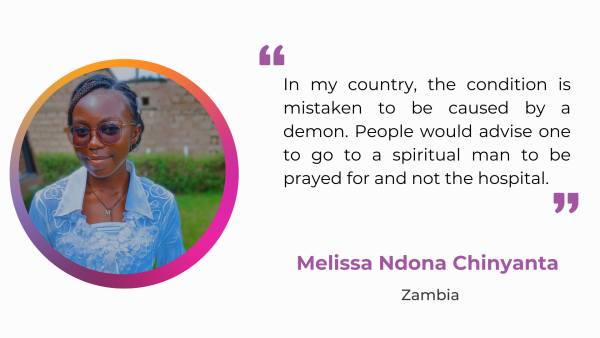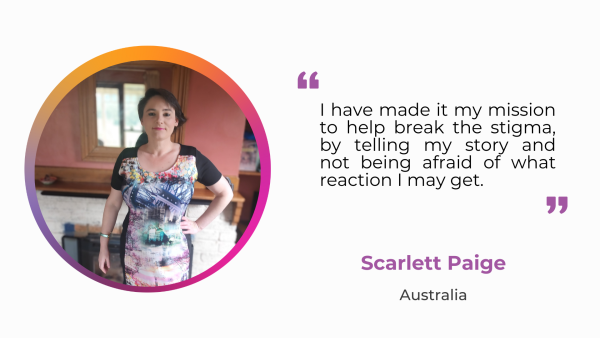
The #EpilepsyPledge is our collective step forward
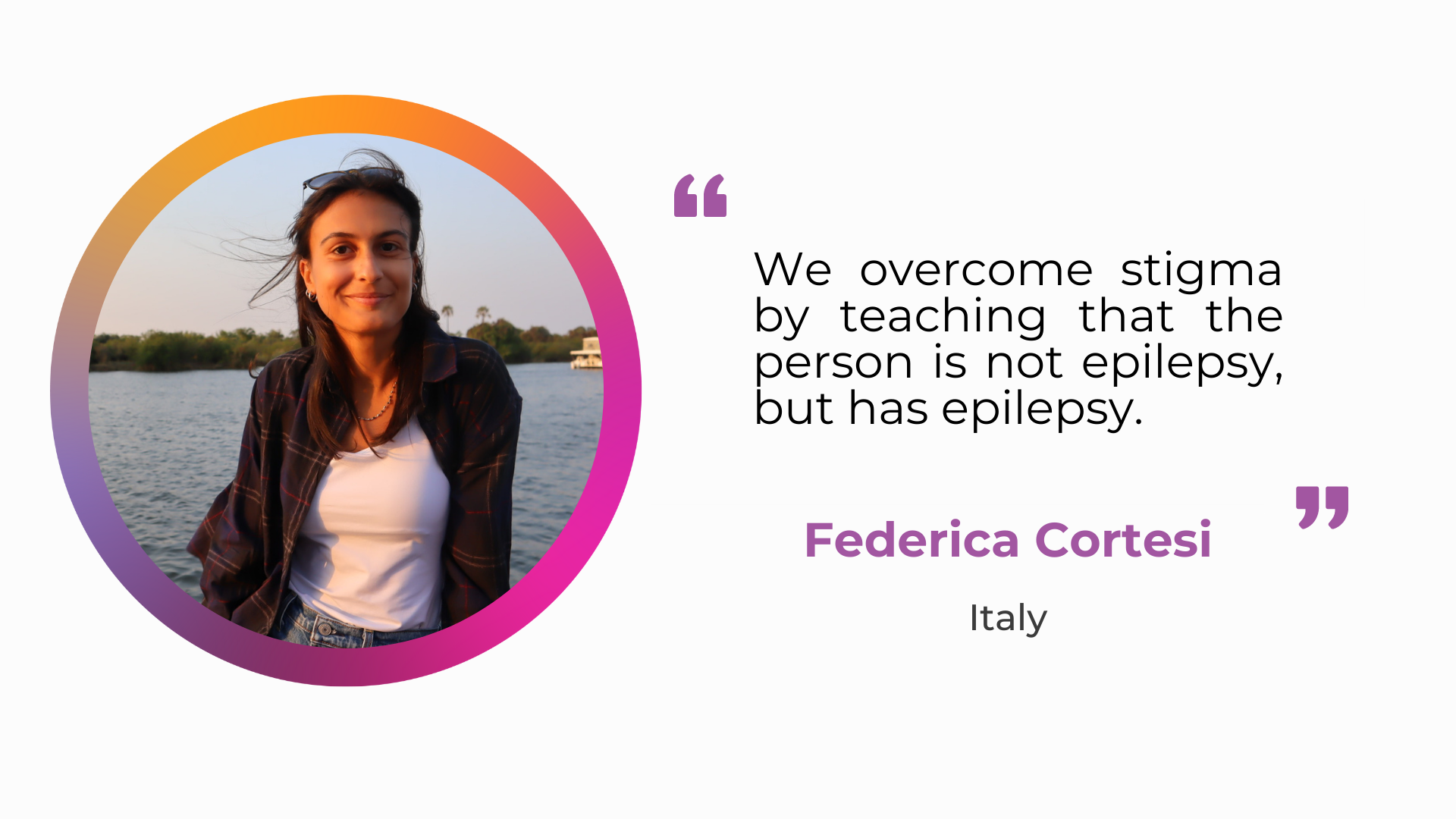
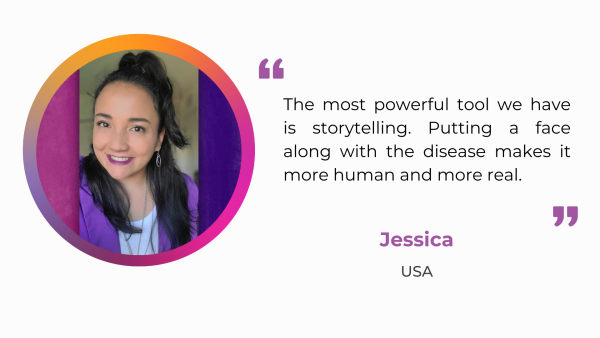
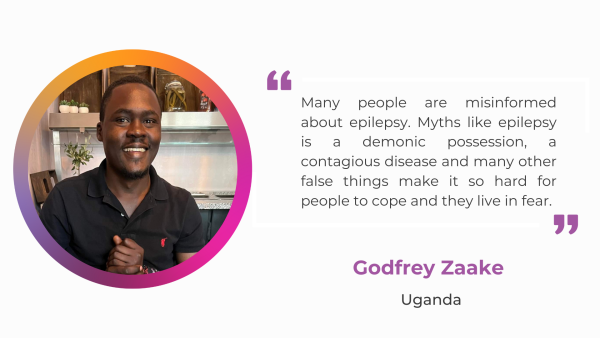
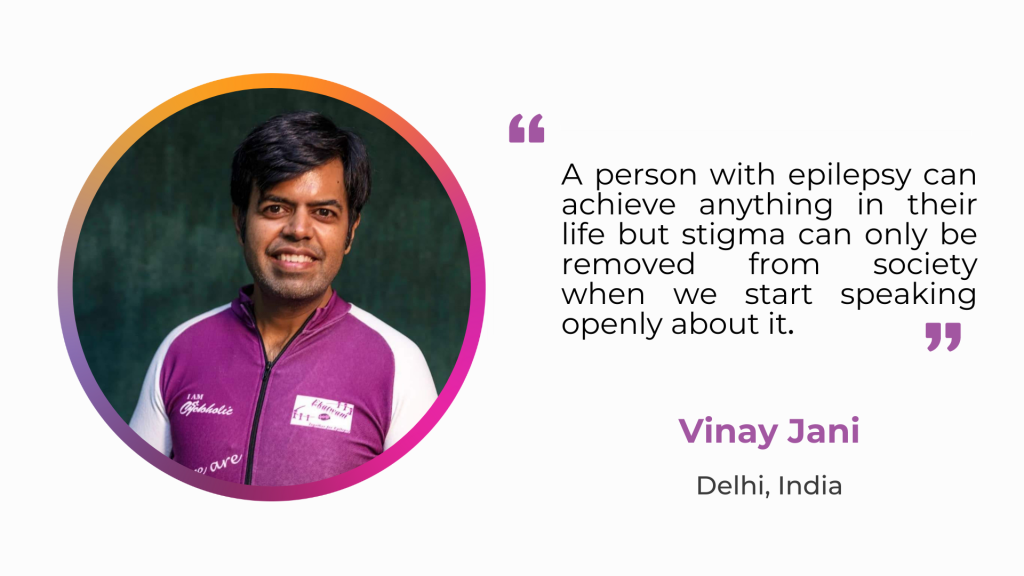
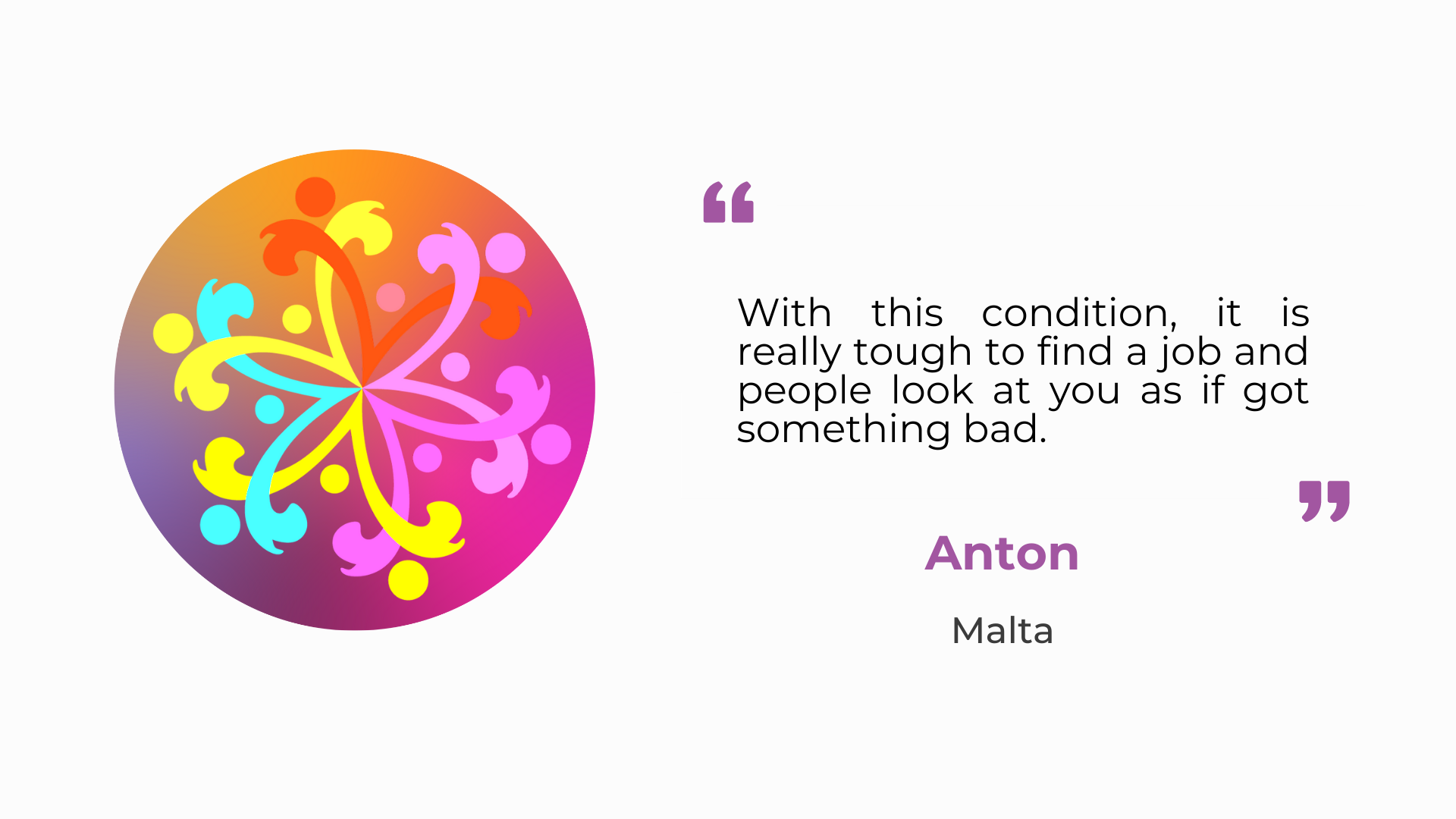
Following last year’s My Epilepsy Journey campaign — where personal stories highlighted real needs — 2026 becomes the year we turn awareness into action.
The #EpilepsyPledge invites individuals, community groups, schools, workplaces, and epilepsy organisations to take one concrete action during 2026 that strengthens:
- Awareness
- Safety
- Inclusion
- Community understanding of epilepsy
Any action counts — big or small — as long as it’s real, achievable, and completed in 2026.
Not everyone can change policy. Not everyone can run a programme, write a guideline, or fund a research study. But everyone can take one action.
- Dispel one epilepsy myth.
- Share a story that needs to be heard.
- Speak up when you hear stigma.
- Learn seizure first aid.
Change begins with someone choosing to act. Make your #EpilepsyPledge — and let that action be yours.
How The #EpilepsyPledge Works
Using the #EpilepsyPledge hashtag is a way to stand with the estimated 50 million people worldwide who live with epilepsy.
You might be someone living with epilepsy, a caregiver, a friend, or an ally who wants to make a difference.
A pledge is more than a hashtag; it’s a commitment to act, to raise awareness, to challenge stigma, and to help improve the lives of those affected by epilepsy.
An Epilepsy Pledge can take many forms. Below is guidance to help you turn a hashtag into meaningful action.

Step 1 — Choose Your Pledge
Take a pledge as an individual or on behalf of a group.
1) Chapter Pledges
For IBE/ILAE chapters working nationally or locally to support the epilepsy community.
2) Community Pledges
For schools, employers, sports clubs, libraries, services, and public bodies.
3) Individual/Public Pledges
For anyone, anywhere, who wants to make a difference.

Step 2 — Make Your Pledge
Use this simple structure to shape your commitment:
By [date], [organisation/individual] will [take one concrete action] so that [who benefits] can [what change will occur].
Step 3 — Post Your Pledge
Share your pledge on social media and encourage others to join.
Use #EpilepsyPledge

Step 4 — Register Your Pledge (Optional but Encouraged)
Registration is recommended for chapters + community organisations who want to be part of the 2027 global showcase.
Registration helps us:
✔ add your action to the global impact map
✔ feature your organisation’s achievement in 2027
✔ reflect collective progress across countries
Individuals do not need to register — you can simply take action and share it on social media if you wish.
Pledge Examples
Not sure where to start?
These examples show the kinds of actions individuals, schools, workplaces, services, and epilepsy organisations can take. Each one is small enough to be achievable, but together, they create meaningful change. Use them for inspiration and shape a pledge that fits your role, capacity, and community.
Community Pledge Examples
- By May 2026, [name of school] will provide one seizure first-aid briefing for all teachers so that staff can respond more safely to students with epilepsy.
- By June 2026, [name of library] will host one public talk on epilepsy awareness so that local families and community members have better information and understanding.
- By September 2026, [name of sports club] will train coaches on basic seizure response so that athletes with epilepsy can participate more safely.
- By December 2026, [name of transit company] will introduce simple seizure-awareness guidance for station staff so that public transport becomes a safer and more understanding environment for people with epilepsy.
Individual Examples
- I pledge to learn seizure first-aid so that I can respond more safely if someone has a seizure.
- I pledge to challenge one myth about epilepsy so people with epilepsy can be understood, not stereotyped.
- I pledge to share one accurate piece of information about epilepsy so more people understand what seizures really are.
- pledge to check in on someone living with epilepsy so they know they are valued, supported, and not alone.
- I pledge to share campaign messages and resources so more people know how to support epilepsy awareness.
- I pledge to use respectful, people-first language when talking about epilepsy so conversations are grounded in dignity.